North American Legal Monthly
Legal Curiosities: What Happened in U.S. Law in May?
Page 1
U.S. Visa Bulletin for June Released: Family-Sponsored Preferences Charge Forward!
Editor's Note: The following data is from the June 2026 Visa Bulletin issued by the U.S. Department of State. For Family-Sponsored Immigrants, Chart B (Dates for Filing) is open; for Employment-Based Immigrants, Chart B is closed.
Chart A: Final Action Dates
- F1 (Unmarried Sons and Daughters of U.S. Citizens): 2017-09-01 (No change)
- F2A (Spouses and Children of Permanent Residents): 2024-08-01 (Advanced by 15 days)
- F2B (Unmarried Sons and Daughters [21 years of age or older] of Permanent Residents): 2017-05-22 (Advanced by 123 days)
- F3 (Married Sons and Daughters of U.S. Citizens): 2012-02-15 (No change)
- F4 (Brothers and Sisters of Adult U.S. Citizens): 2008-11-08 (Advanced by 54 days)
- EB-1 (Priority Workers): 2023-04-01 (No change)
- EB-2 (Professionals Holding Advanced Degrees): 2021-06-15 (Advanced by 47 days)
- EB-3 (Skilled Workers, Professionals, and Other Workers): 2022-07-15 (No change)
- EB-4 (Certain Special Immigrants): 2021-01-01 (No change)
- EB-5 (Investors - Unreserved): 2017-03-01 (No change)
- EB-5 (Rural / High Unemployment / Infrastructure): Current (No change)
Chart B: Dates for Filing
- F1: 2018-10-01 (No change)
- F2A: Current (No change)
- F2B: 2018-03-22 (Advanced by 80 days)
- F3: 2012-12-08 (No change)
- F4: 2009-12-22 (Advanced by 112 days)
- EB-1 to EB-5: No change / Closed for filing.

Trump Administration Officially Begins Retroactive Reviews of Cases Approved During the Biden Era
The Department of Homeland Security (DHS) has officially launched a new enforcement review program, specifically targeting the immigration histories of permanent residents (green card holders). Government officials stated that because vetting standards for certain immigration cases were too lax under the Biden administration, it is necessary to re-verify background checks across a designated pool of past records. As of May 7, nearly 3,000 cases have completed review or remain under evaluation, with roughly 80% determined to require "no further action." Under current U.S. immigration law, a green card does not equal absolute safety. Permanent residents can still face deportation proceedings if they are convicted of certain crimes, obtained their status through fraud or willful misrepresentation, or significantly concealed information during their application process. Green card holders who have past criminal records, flaws in their immigration filings, misrepresentations, or extended periods of absence from the U.S. should assess their risks promptly to avoid triggering deeper scrutiny during re-entry, naturalization, or status renewals.

"Earthquake" in U.S. International Student Circles: Is Getting a Second Master's Degree in the U.S. Over? Day 1 CPT Heavily Impacted
On May 5, DHS submitted a new proposed rule to eliminate the Duration of Status (D/S) framework for international students to the White House Office of Management and Budget (OMB) for final review. Once implemented, this rule will upend the long-standing status management system for foreign students, exchange visitors, and foreign media representatives. Under the proposed rule, international students will be granted a maximum stay of four years. If a student has not graduated or their program is incomplete when this period expires, they must apply for an extension with USCIS ahead of time and justify their continued stay. For longer master's or doctoral tracks, students may need to apply for extensions multiple times. USCIS will hold broader discretionary power; issues like prolonged academic delays, poor grades, or repeated graduation extensions will no longer be accepted as valid reasons for an extension. Additionally, the post-graduation grace period will be slashed from 60 days to 30 days. Students may also need to submit biometrics (such as fingerprints) when applying for extensions. Pursuing a second degree at the same academic level will be banned, and language courses will be capped at a cumulative total of 24 months.

Official Urgent Response to the New Adjustment of Status Policy: Not All Applicants Need to Leave the Country
On May 22, USCIS issued a new policy emphasizing that an Adjustment of Status (AOS) within the United States is a discretionary benefit rather than an entitlement, sparking widespread public anxiety. Subsequently, a DHS spokesperson responded through the media, clarifying that this is not a "one-size-fits-all" major policy shift. Only a small minority of applicants might be required to leave the country to process their visas, and the new guidance primarily serves to remind immigration officers of the case-by-case discretionary powers they have always held. Furthermore, applicants who bring economic or national interest benefits to the U.S. are expected to continue utilizing the domestic adjustment pathway in the short term. However, USCIS has yet to publish specific implementation details, and further official guidance is pending.

Trump's "Children's Accounts" Officially Launch; Eligible Kids Can Receive $1,000
On May 28, the Department of the Treasury announced that the "Trump Account" software has officially launched across major app stores nationwide. Starting July 4, activated Trump Accounts will be open to capital injections from parents, relatives, employers, and other eligible contributors, subject to annual limits. Concurrently, eligible children will begin receiving $1,000 in pilot project funds provided by the Treasury, deposited directly into their Trump Accounts. The Treasury issued an urgent warning to the public regarding scams: authorities will not contact households via phone or text message to activate accounts. Citizens are urged to avoid clicking unfamiliar links or calling unofficial phone numbers found in search engine results.
Page 2

USCIS Tightens Signature Rules: Invalid Signatures Result in Direct Rejection
On May 11, DHS published a Temporary Final Rule further tightening the signature requirements for immigration application materials. Under the new rule, if an application form or document lacks a valid signature, USCIS can directly reject the filing. Even if a case has already been accepted, immigration officers can directly deny the application during subsequent adjudication if the signature is found to be non-compliant, and application fees will generally not be refunded. A "valid signature" under the new rule typically refers to an original, handwritten wet signature completed personally by the applicant, petitioner, or authorized signatory. For forms allowed to be submitted online, electronic signatures must strictly follow USCIS regulations. This means copied-and-pasted signatures, stamp signatures, signatures signed by someone else on their behalf, or electronic signatures generated by certain software that do not meet USCIS specifications may all be deemed invalid. Moving forward, applicants must double-check all signatures prior to submission to prevent a single signature flaw from derailing the entire case timeline.
Trump Leads U.S. Corporate Executives on China Visit, Signaling Relaxation in Sino-U.S. Commercial Cooperation
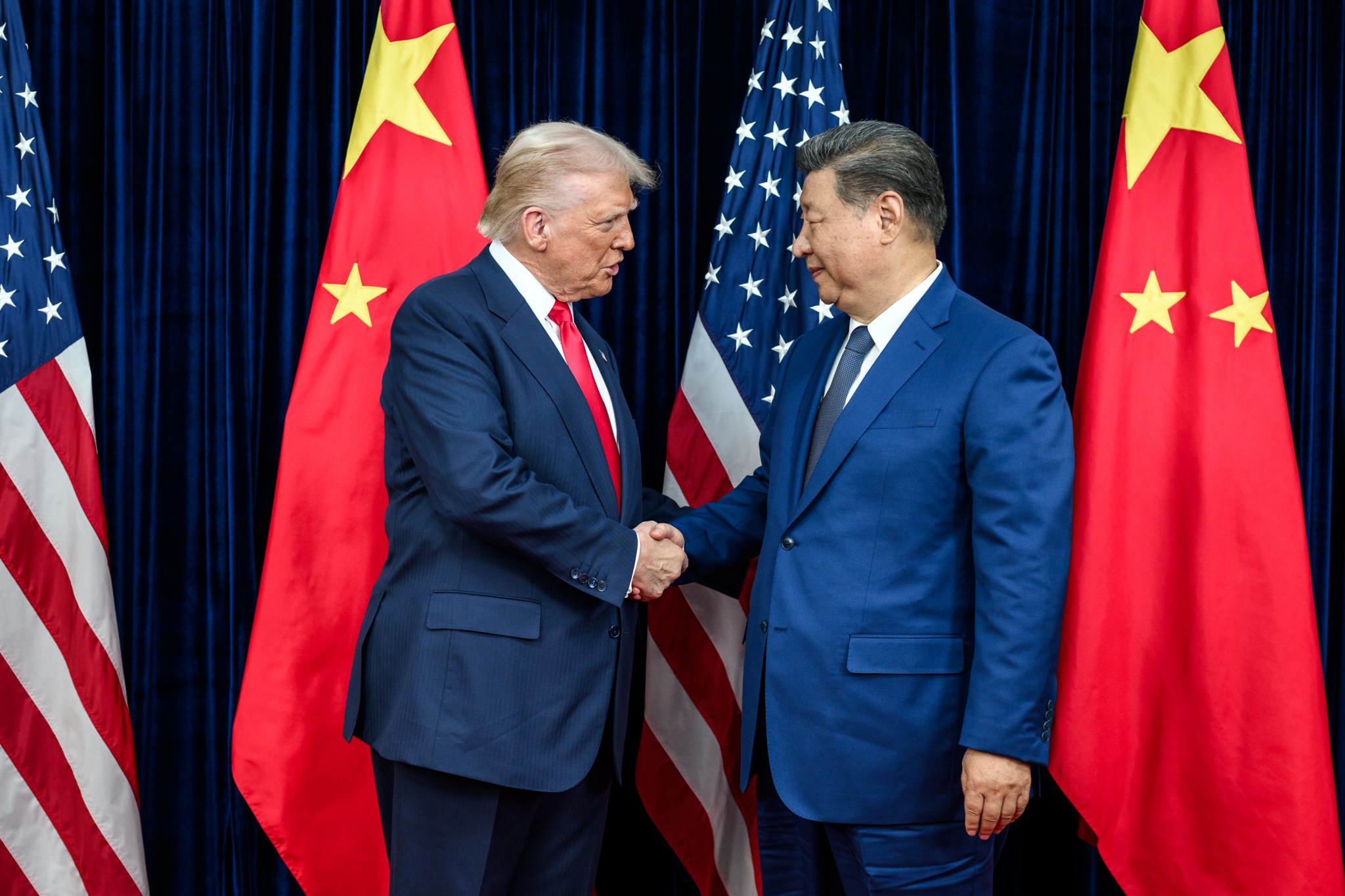
On May 13, President Trump arrived in China for an official visit. His accompanying delegation included high-level executives from several major American corporations, including Apple, Boeing, NVIDIA, Cargill, and Citi. The visit is viewed as a crucial juncture for restarting top-tier communication between China and the U.S. on trade, technology, supply chains, and geopolitical issues. During the visit, U.S. corporate representatives voiced concerns regarding market access, supply chain security, intellectual property protection, and the business environment in China. Following the meetings, both sides announced several commercial partnership achievements. Notably, Boeing revealed that China agreed to purchase at least 200 aircraft, marking the company's first major commercial aircraft sale agreement in the Chinese market in nearly a decade. Beyond economic agendas, the two sides discussed diplomatic matters involving Iran, Taiwan, and regional security. Trump stated that his stance on the Iran issue is "very similar" to Xi Jinping's, and both sides hope to see tensions de-escalate swiftly. Trump subsequently announced that he would host Xi Jinping in Washington this coming autumn.

USCIS Lifts Adjudication Freeze on Foreign Doctor Cases; Pending Applications Expected to Resume
Reports indicate that USCIS has quietly updated its enhanced vetting and background screening policies, lifting a previous adjudication freeze on cases involving foreign doctors. This adjustment applies exclusively to cases that have already been submitted or are currently being adjudicated by USCIS, and does not affect visa applications processed abroad through the Department of State. Previously, because the adjudication freeze dragged on, many foreign doctors faced interruptions to their legal status or work authorizations, preventing them from continuing to care for American patients. Several medical organizations had called for National Interest Waivers for foreign medical professionals, pointing out that roughly 23% of licensed physicians in the U.S. are foreign-trained, with 64% practicing in medically underserved or health professional shortage areas. Had these cases remained stalled, it could have exacerbated doctor shortages in primary care and rural regions. The lifting of the freeze means that extensions of stay, changes of status, employment authorizations, or employer-sponsored petitions for certain foreign doctors are poised to resume. However, other enhanced vetting measures remain active. Employers and physician applicants should continuously monitor case statuses on the USCIS website and watch for Requests for Evidence (RFEs), biometric appointments, or interview notices.
Page 3

Trump Government Reportedly Pressuring Immigration Judges; Asylum Approval Rates Plummet Below 10%
Recently, the Trump administration has been systematically reshaping the U.S. immigration court system. It is not only pressuring immigration judges nationwide to accelerate deportation proceedings, but has also threatened disciplinary action or termination if judges fail to enforce tougher removal policies. Out of approximately 750 immigration judges across the country, over 100 have already been removed from their positions. Concurrently, the government has appointed 143 new judges, many of whom possess military law or immigration prosecution backgrounds. As the adjudication environment grows harsher, asylum approval rates have plummeted significantly, while the volume of deportation orders continues to climb. Furthermore, the government has tightened bail hearing arrangements for most undocumented border crossers, leading to prolonged detentions for some migrants. Critics argue these measures undermine the necessary independence of immigration courts and force a growing number of detainees to abandon their cases and opt for voluntary departure rather than endure grueling wait times. The Trump administration counter-argues that these steps are essential reforms to a long-backlogged court system aimed at boosting efficiency and tightening enforcement. For those currently applying for asylum, withholding of removal, or other forms of immigration relief, the court climate has turned distinctly severe, requiring far more cautious case preparation and courtroom strategies.

USCIS and Department of Justice Jointly Advance 12 Denaturalization Lawsuits
On May 14, USCIS announced a joint effort with the Department of Justice to file lawsuits across multiple federal district courts to revoke the citizenship of 12 individuals. Under immigration law, if a person’s U.S. citizenship was obtained illegally, or by concealing material facts or willful misrepresentation, their naturalized citizenship can be revoked. The 12 cases involve severe allegations, including concealing criminal records, family circumstances, or true identities during entry or naturalization applications; failing to meet the good moral character requirement for naturalization; and committing offenses such as sexual assault, drug trafficking, or crimes involving moral turpitude while making false statements during the application process. Some cases also touch upon national security concerns, including alleged ties to Al-Qaeda, providing material support to terrorist organizations, concealing facts related to war crimes, falsifying military backgrounds, or hiding affiliations with specific political organizations when applying for citizenship.

Officials List Numerous "Extreme Negative Factors" for Green Card Screening
USCIS has issued internal guidance to adjusting officers, instructing them to focus heavily during discretionary case reviews on whether applicants have expressed views, engaged in actions, or shown ideological tendencies deemed "anti-American," "anti-Semitic," or supportive of extremist groups. Such findings are to be categorized as "extreme negative factors." The document highlights specific scenarios, such as participating in pro-Palestinian campus protests, publicly posting content critical of Israel on social media, sharing or posting images expressing political stances (e.g., crossing out the Israeli flag or replacing Israel with Palestine on maps), and burning the American flag. Notably, while burning the American flag has been ruled a protected form of political expression under the First Amendment of the U.S. Constitution, immigration officers may still factor it in as an adverse background element when exercising their case-by-case discretionary powers.

Department of State Updates World Cup Visa Arrangements: Certain Fans Exempt from B-Visa Security Deposit
On May 13, the Department of State issued an update introducing a B-1/B-2 visa security deposit waiver for certain foreign nationals traveling to the U.S. for the 2026 World Cup. The waiver primarily applies to two groups: first, fans from qualifying countries who purchased World Cup tickets before April 15 and opted into the priority appointment system via the official FIFA website; second, athletes, team members, coaches, essential support staff, and their immediate family members from participating countries. However, a security deposit waiver does not equal a visa waiver, nor does it guarantee visa approval. The Department of State emphasized that all visa applications must still undergo consular officer review, and applicants must prove they qualify for a visa under U.S. law.

Trump Signs Financial Scrutiny Executive Order: Bank Accounts May Become New Leads for Immigration Enforcement
On May 19, President Trump signed an executive order aimed at strengthening U.S. financial system security, directing the Department of the Treasury to issue formal risk advisories to financial institutions within 60 days outlining suspicious activity patterns linked to unauthorized workers and their employers. Areas of focus include evading payroll taxes, using shell companies or nominal accounts to hide true beneficiaries, paying off-the-books wages via third-party payment platforms, conducting frequent cash deposits or withdrawals just below reporting thresholds, and financial flows tied to labor trafficking or forced labor. The executive order also instructs the Treasury and federal financial regulatory agencies to explore stricter customer identification and due diligence mandates. During such reviews, using an Individual Taxpayer Identification Number (ITIN) to open bank accounts or apply for credit products without a verified legal immigration status may be treated as a risk factor requiring deeper investigation. Additionally, the Consumer Financial Protection Bureau (CFPB) was directed to evaluate whether potential deportation risks and employment interruption risks should be factored into a borrower’s ability-to-repay analysis.
Department of Homeland Security Ends Shutdown; Critical Agencies Resume Operations
The House of Representatives has passed, and President Trump has signed, a funding bill that provides budget support for the majority of DHS agencies through this September. The funding restores routine operations for several critical federal bodies that were disrupted during the shutdown, including the Transportation Security Administration (TSA) responsible for airport security, the Federal Emergency Management Agency (FEMA) tasked with disaster response, the Coast Guard, and the Secret Service. During the shutdown, these agencies faced delayed personnel payrolls, impacting airport security lines, disaster relief preparedness, and coastal security enforcement to varying degrees. With the funding bill officially enacted, operational pressures on most DHS branches have temporarily eased, and related public safety and emergency services are set to steadily stabilize.

Senate Introduces New Bill Intended to Further Restrict "Birth Tourism" Entry
On May 12, Senator John Cornyn introduced bill S.4501, formally titled the Barring American Citizenship by Keeping Out Foreign Fraudsters Act. The bill specifically targets "birth tourism"—the practice of foreign nationals entering or remaining in the United States primarily to give birth so that their children automatically acquire U.S. citizenship. Under the bill, foreign nationals determined to be entering the country for birth tourism purposes could be classified as inadmissible or deportable. The legislation also proposes that DHS be empowered to detain and fast-track the deportation of such individuals, while establishing criminal penalties and enforcement mechanisms for agencies or individuals suspected of organizing or facilitating birth tourism. Additionally, the bill calls for stricter visa and border screening; for instance, if an immigration officer or judge suspects birth tourism, specific demographics may be required to undergo medical examinations. The bill also suggests suspending certain visa issuances for nationals of countries that refuse to accept their own deported citizens. Currently, the bill has passed two readings in the Senate and has been referred to the Senate Committee on the Judiciary; it is not yet a formal law. It must still pass committee review, clear votes in both the Senate and the House, and be signed by the President before it can take effect.
Page 4

ICE Uncovers Over 10,000 Suspected OPT Affiliation Cases; On-Site Audits Underway!
Immigration and Customs Enforcement (ICE) recently disclosed that federal investigators have identified more than 10,000 suspected cases of fraudulent Optional Practical Training (OPT) employment affiliations. Crucially, these leads originated from just the top 25 most suspicious employers, suggesting this data may represent only the "tip of the iceberg." Enforcement branches have launched physical, on-site visits across multiple states, including Virginia, Texas, Georgia, Illinois, New York, New Jersey, North Carolina, and Florida. Disclosures reveal that some registered employer addresses turned out to be vacant buildings, locked offices, or residential homes. In other instances, multiple entities shared an identical address without any actual lease or physical office footprint. Furthermore, some companies on paper claimed to employ large numbers of international students, yet no actual staff could be found on-site. Investigators also uncovered "ghost employees"—students who used these arrangements to secure employment authorization but never actually reported to work at the declared job locations.

Meta Lays Off 8,000 Overnight; Foreign Staff Advised to Quickly Evaluate Immigration Status Stages
On May 20, Meta initiated a massive new round of layoffs affecting roughly 8,000 employees globally—close to 10% of the company's total workforce. For foreign employees, the fallout goes beyond losing a job; it directly impacts their lawful status in the United States. Upon receiving a layoff notice, the priority should not be blindly sending out resumes, but rather immediately determining one’s exact current immigration stage: whether on OPT/STEM OPT, H-1B, or L-1 status; whether the PERM process has commenced; whether form I-140 has been filed or approved; whether form I-485 is currently pending; and what remaining grace periods or options for a change of status exist. Employers looking to hire laid-off foreign workers are also reminded to confirm in advance that the job role, prevailing wage standards, work location, and immigration pathways align with compliance rules.

ICE to Collaborate on Security During World Cup: Fake Tickets, Smuggling, and Serious Crimes Top Enforcement Priorities
The 2026 World Cup is scheduled to take place across the U.S., Canada, and Mexico from June 11 to July 19. DHS announced that ICE will participate in enforcement and security tasks related to the tournament. However, the focus will not be on checking the immigration statuses of fans at stadium gates, but rather on assisting with counter-measures against counterfeit tickets, counterfeit merchandise, smuggling, customs violations, and other criminal activities. Historically, ICE has assisted in similar capacities during major events like the Super Bowl. While ICE's presence does not mean mass identity checks for average match-goers, agencies will take lawful action if individuals tied to serious crimes, terrorist watchlists, smuggling, or other targeted enforcement priorities are identified on-site. The Customs and Border Protection (CBP) agency reminds travelers to confirm passport validities, visa or travel authorization requirements, and regulations regarding the declaration of food, plants, and currency prior to departure.