North American Legal Monthly
Legal Curiosities: What Happened in U.S. Law in April?
Page 1
Will H-1B Issuance Be Suspended for Three Years? Blockbuster Congressional Proposal Shakes the International Student Community
Arizona Republican Representative Eli Crane has officially introduced the *Ending H-1B Visa Abuse Act of 2026*, proposing a systemic restructuring of the H-1B visa program. The core details include: a proposal to suspend the issuance of H-1B visas for the next three years; a drastic reduction of the annual quota from the current 65,000 to 25,000, along with the elimination of certain existing exemption categories; and a significant increase in the salary threshold (proposing a minimum annual salary of $200,000) to reinforce a "high-end talent-oriented" focus.
Additionally, the proposal involves multiple structural changes, such as banning multi-employer or part-time work models, prohibiting outsourcing companies from utilizing the visa, banning dependents from accompanying the primary holder, prohibiting transitions to green cards, and eliminating OPT. It is important to note that this proposal is still in the early stages of the legislative process and has not yet been approved by Congress; therefore, it will not have any practical impact on H-1B applications in the short term. Although the probability of this bill passing remains uncertain, it demonstrates that the future U.S. high-skilled immigration system may continue to evolve toward "higher thresholds, stricter supervision, and a stronger domestic-first policy."

Former U.S. Mayor Has Citizenship Revoked: Has the Retroactive Identity Investigation Officially Begun?
The Department of Justice (DOJ) has filed a civil lawsuit against Philippe Bien-Aime, the former mayor of North Miami, Florida, alleging significant material misrepresentations and identity fraud during his immigration and naturalization processes, and seeking to revoke his U.S. citizenship. According to disclosures from the DOJ, Bien-Aime initially entered the United States years ago using a counterfeit passport and was issued a deportation order in 2001. Subsequently, he gradually obtained legal status through name changes, a marriage-based green card application, and naturalization.
However, in his green card and naturalization applications, he failed to truthfully disclose his prior deportation record, marital status, and personal details, thereby constituting a material misdirection of immigration authorities. Federal agencies confirmed through a fingerprint comparison system that the individual recorded as "Janvier" in the early years is the exact same person as "Bien-Aime" who later naturalized. The case is currently ongoing in court, and the relevant allegations await a judicial ruling.
May Visa Bulletin Released; Employment-Based Category Chart B Closes
The U.S. Department of State has released the visa bulletin for May 2026. According to the latest schedule, Chart B for family-sponsored immigration categories remains open, while Chart B for employment-based immigration categories has closed. Chart B serves as a fast-track filing channel specifically designed for applicants residing within the United States, allowing eligible individuals to concurrently file for employment authorization documents (EAD) and advance parole.
However, this window is not permanently open; once USCIS determines that the volume of I-485 applications received for the current fiscal year is sufficient to cover the visa quotas, Chart B can be closed at any time, leaving the "Final Action Dates" (Chart A) as the sole basis for submission. Consequently, the availability of Chart B carries a high degree of uncertainty and is prone to sudden adjustments. At this juncture, officials have not released any clear signals regarding whether Chart B will reopen for the June bulletin. It is recommended that any applicants whose priority dates fall within the April Chart B window attempt to complete their filings before the end of April to avoid missing the opportunity.
Sudden Shooting at White House Dinner: Suspect Charged with "Attempted Presidential Assassination"
On April 25, a sudden shooting occurred at the annual White House Correspondents' Association dinner. Law enforcement authorities reported that a suspect attempted to breach the venue's security checkpoint and opened fire, causing chaos at the scene. President Trump was swiftly evacuated by the Secret Service and was not harmed. According to disclosures from federal prosecutors, the suspect has been formally indicted and faces multiple severe federal charges, including "attempted assassination of the President."
Initial investigations indicate that the suspect carried a shotgun and a handgun in an attempt to approach the core area of the event. A Secret Service agent was injured at the scene, but due to protective body armor, the injuries were not severe. Following the incident, the surrounding area was placed under complete lockdown, and federal investigative agencies are conducting a deep investigation into the suspect’s motives, background, and the potential existence of accomplices. The case is currently in the initial stages of judicial proceedings, the suspect has not yet been convicted, and subsequent investigations remain underway.

Bipartisan Bill Offers Strong Support! Proposing to Codify OPT into Law
The U.S. Congress has introduced a bipartisan bill titled the *Keep Innovators in America Act*, which aims to formally codify the Optional Practical Training (OPT) program for international students into the federal statutory framework, providing clear legal footing and long-term stability for the initiative. Under the latest structural design of the provisions, the "course of study" for F-1 international students will be explicitly permitted to include internships and employment authorization, provided the work relates directly to their major field of study. This means that post-graduation OPT internships would no longer merely be an administrative policy, but would receive direct legal protection.
The bill also explicitly states that even if a student has a green card application pending or approved, they can continue to maintain their F-1 status. This would make the "study—work—immigrate" pathway much more stable. At the regulatory level, the bill authorizes the Department of Homeland Security to establish specific implementation rules to ensure the OPT program operates within a legal framework and adheres to immigration compliance standards. Currently, the bill has garnered public backing from over 50 organizations, including the American Bar Association. If the bill ultimately passes, OPT is expected to transition from an administrative rule-dependent program to a long-term institutional arrangement with an explicit legal status.
Page 2
Non-Payment Leads to Immediate Rejection! New Asylum Regulations Officially Implemented
On April 28, the Department of Homeland Security (DHS) announced the publication of a temporary final rule designed to reinforce funding sources for immigration enforcement and clarify the payment obligations of applicants within immigration proceedings. Under the regulation, the annual asylum fee will be strictly enforced. If an applicant fails to pay the fee within 30 days of receiving notice, USCIS will directly deny their pending asylum application; for applicants without legal status in the U.S., deportation proceedings may also be initiated.
Furthermore, once an asylum application is denied due to non-payment, related compounding consequences will take effect immediately—including the denial of any EAD applications tied to the asylum filing, and the immediate invalidation of any already approved work permits. This temporary final rule will officially take effect on May 29, 2026. Relevant applicants should closely monitor payment notices and deadlines to complete their payments in a timely manner.
"Automated U.S. Military Draft Registration" Implemented; Green Card Holders Included
The U.S. government has introduced a major institutional adjustment in the newly signed *National Defense Authorization Act* (NDAA): starting in 2026, eligible males will be automatically registered for the military draft via government systems, eliminating the previous requirement for manual registration.
According to the bill's framework, the federal government will automatically extract information on eligible individuals through databases such as immigration systems and Departments of Motor Vehicles (DMVs), gradually connecting these data streams with the Selective Service registration system, with full implementation expected within 2026. The scope of inclusion primarily covers males between the ages of 18 and 25 who reside long-term in the United States, including U.S. citizens, green card holders (lawful permanent residents), refugees, and certain undocumented immigrants. Conversely, individuals holding valid non-immigrant visas (such as F-1, H-1B, L-1, etc.), males over the age of 26, and all females are excluded from registration.
It is worth noting that "automated registration" does not mean the United States is restoring a mandatory military draft. In fact, since the end of the Vietnam War in 1973, the U.S. has maintained an all-volunteer military. The current draft registration system functions essentially as a contingency backup mechanism designed to ensure the government possesses rapid mobilization capabilities in the event of an extreme national emergency (such as total war). Any future resumption of an actual draft would still require specialized legislation passed by Congress and signed into law by the President.

H-1B Fraud Ring Busted; Suspects Face Up to $250,000 in Fines
USCIS has announced major progress in a fraud case involving H-1B visas. Two suspects involved have pled guilty to charges of "conspiracy to commit visa fraud." According to court documents, one of the defendants utilized their visa service company to apply for H-1B visas for foreign nationals, collaborating with an insider within a public university system to fabricate positions in the application materials, claiming the applicants would perform relevant work at the university. In reality, these positions did not exist, and the individuals involved were never employed by the institution.
Prosecutors pointed out that after successfully securing H-1B visas using false employment information, the defendants placed the foreign nationals in other businesses to turn a profit. This conduct not only misled the immigration approval process but also siphoned off visa quotas that rightfully belonged to legitimate employers, creating unfair competition. The case is still undergoing further processing, and the two defendants will face court sentencing on July 30, 2026, potentially facing up to 5 years in prison and a $250,000 fine. Enforcement agencies stated they will continue to intensify crackdowns on visa fraud moving forward.
Airport Order Gradually Restored: ICE to Withdraw from Airports
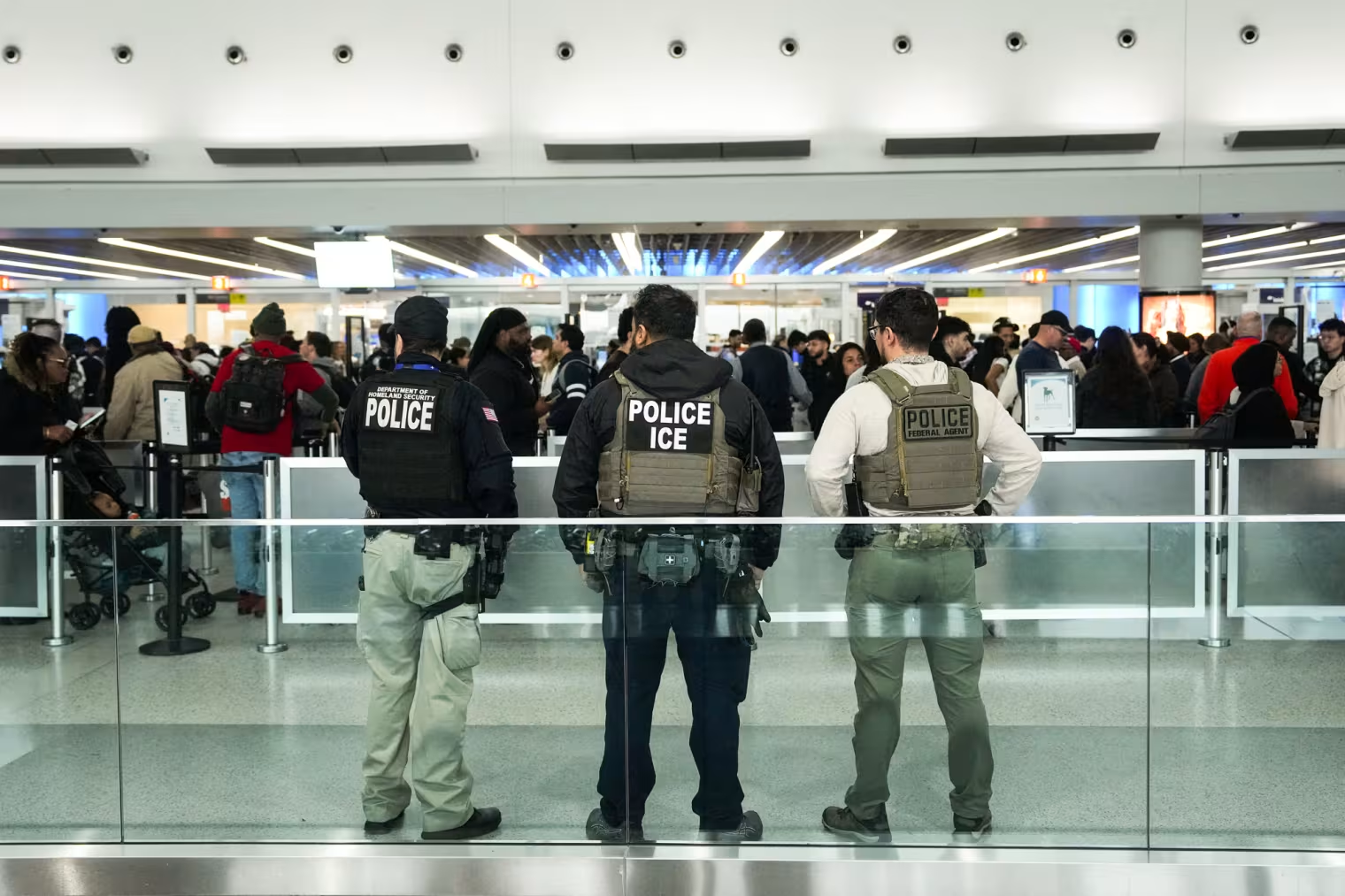
As the federal government allocates emergency funding to restore airport operations, order at multiple airports across the United States is gradually returning to normal. According to officials at Philadelphia International Airport, some ICE personnel who were previously deployed to the airport on a temporary basis have planned to begin withdrawal arrangements. However, the pace of recovery varies across different regional airports, and the timing of adjustments to law enforcement presence is not entirely uniform.
The White House had previously stated explicitly that relevant enforcement personnel would "assist until airports fully return to normal operations," meaning that continuous deployment at certain key airports cannot be ruled out in the short term. Travelers with upcoming trip plans should still budget an appropriate amount of time, aim to arrive at the airport early, and carry valid identification and legal status documents to handle potential random checks or inquiries. Particularly for individuals involving cross-border travel or complex legal status, prepping materials in advance is advised to minimize travel risks.
Entry Difficulties for Multiple Chinese Scholars at Seattle Airport Draw Widespread Attention
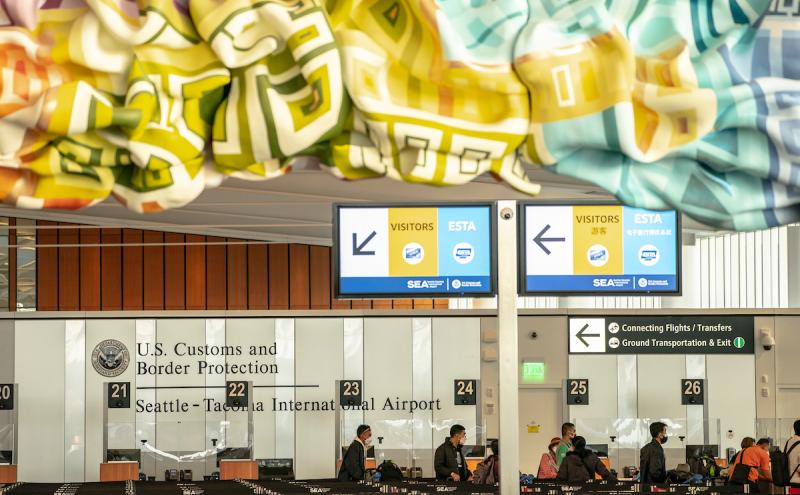
Inbound enforcement on the U.S. West Coast has sparked heated public discussion, as multiple Chinese scholars holding valid visas to attend conferences in the U.S. encountered strict scrutiny when attempting to clear customs at Seattle-Tacoma International Airport, with some individuals having their visas revoked and being repatriated on the spot.
It is understood that this incident involved approximately 20 scholars who, upon entry, were escorted by U.S. Customs and Border Protection (CBP) to secondary inspection areas for prolonged questioning. The focus of the enforcement extended beyond checking the alignment of travel purposes with visa types to include inspections of personal electronic devices—such as academic materials, communication records, and research backgrounds stored on phones and laptops. Certain individuals were ultimately deemed to have "inconsistent entry purposes" or to present "potential national security risks," resulting in the cancellation of their visas and immediate repatriation on their original flights.
It is recommended that individuals traveling to the U.S. prepare comprehensive documentation in advance, including conference invitations, itineraries, return flight tickets, and proof of funds. If questioned on-site, travelers should remain calm, cooperate, and exercise caution regarding the content of any documents they are asked to sign.
Page 3
Social Media Becomes a "Mandatory Check Item"; Non-Cooperation Leads to Direct Visa Denial
On April 23, the Department of State further expanded the scope of social media screening in visa applications, which officially went into effect on March 30, 2026. This adjustment extends the screening scope from its previous focus on international student visas (F, M, J) and certain work visas (H-1B) to a broader range of categories—including K visas (fiancé/spouse visas), R visas (religious workers), Q visas (cultural exchange), as well as T and U visas (special humanitarian categories).
Under the new regulations, applicants must provide their social media account information when submitting visa applications and ensure that their accounts are accessible for screening to a certain extent. Consular officers will synthesize social media content to evaluate the authenticity of the applicant’s identity, the consistency of their stated purpose for traveling to the U.S., and potential security risks.
The policy explicitly states that if an applicant fails to provide complete and accurate information, or if inconsistencies are present, they may face visa denial or restrictions on future applications. Applicants are advised to thoroughly review their public online information before submitting materials to ensure all content is authentic and consistent, thereby minimizing potential risks.

H-2B Quota Exhausted! The Third Round of the Talent Grab Begins
On April 29, USCIS announced that the second round of supplemental caps for the H-2B temporary non-agricultural worker visa for fiscal year 2026 has been completely exhausted. The allocation of 27,736 visas for "returning workers" in this round has reached its limit, with the final receipt date for related applications being April 21, 2026.
Concurrently, the third round of supplemental caps has been launched. This round offers a total of 18,490 visa slots and is open to applicants of all nationalities, no longer restricted to returning workers. It applies to positions scheduled to begin work between May 1, 2026, and September 30, 2026. USCIS began accepting these applications on April 24, 2026, and employers must complete their submissions no later than September 15, 2026.

New Fatal "Asylum Screening Questions" Added to U.S. Visa Interviews
On April 28, the Department of State issued an internal cable to embassies and consulates worldwide. According to the instructions, all non-immigrant visa applicants may be asked two core questions during their interviews: whether they have ever suffered harm or mistreatment in their home country, and whether they are afraid to return to their home country. These two questions directly correspond to key legal elements of an asylum application.
If an applicant answers "yes" or refuses to answer, consular officers may deny the visa application based on this response. This new rule applies to almost all non-immigrant visa categories, including Class B (Business/Tourism), Class F (Student), Class J (Exchange Visitor), and work visas such as H, L, O, and P, as well as various dependent visa applicants. It aims to reduce instances where applicants "enter under non-immigrant status and then pivot to apply for asylum," strengthening the screening of genuine visa intent at the source.

USCIS Deploys New System for Retroactive Background Checks, Stalling a Mass of Cases
Starting April 27, USCIS officially launched an upgraded FBI security screening system. According to the policy arrangement, for all pending applications where fingerprints were submitted and background checks completed prior to April 27, 2026—including Adjustment of Status (I-485), Naturalization applications, and Asylum applications—USCIS will systematically retrieve existing fingerprint data and resubmit them to the new FBI system for re-verification.
USCIS stated that this re-verification process will be handled internally by the agency, and applicants typically do not need to retake fingerprints or submit supplemental materials. However, final approvals for relevant cases may be paused until the re-verification is complete. A specific timeframe has not yet been announced; affected applicants should evaluate the validity periods of their legal status, Employment Authorization Documents (EAD), and Advance Parole documents in advance to prevent disruptions to their status or employment due to processing delays.

Page 4
Birthright Citizenship Upended? The Supreme Court Hears Oral Arguments
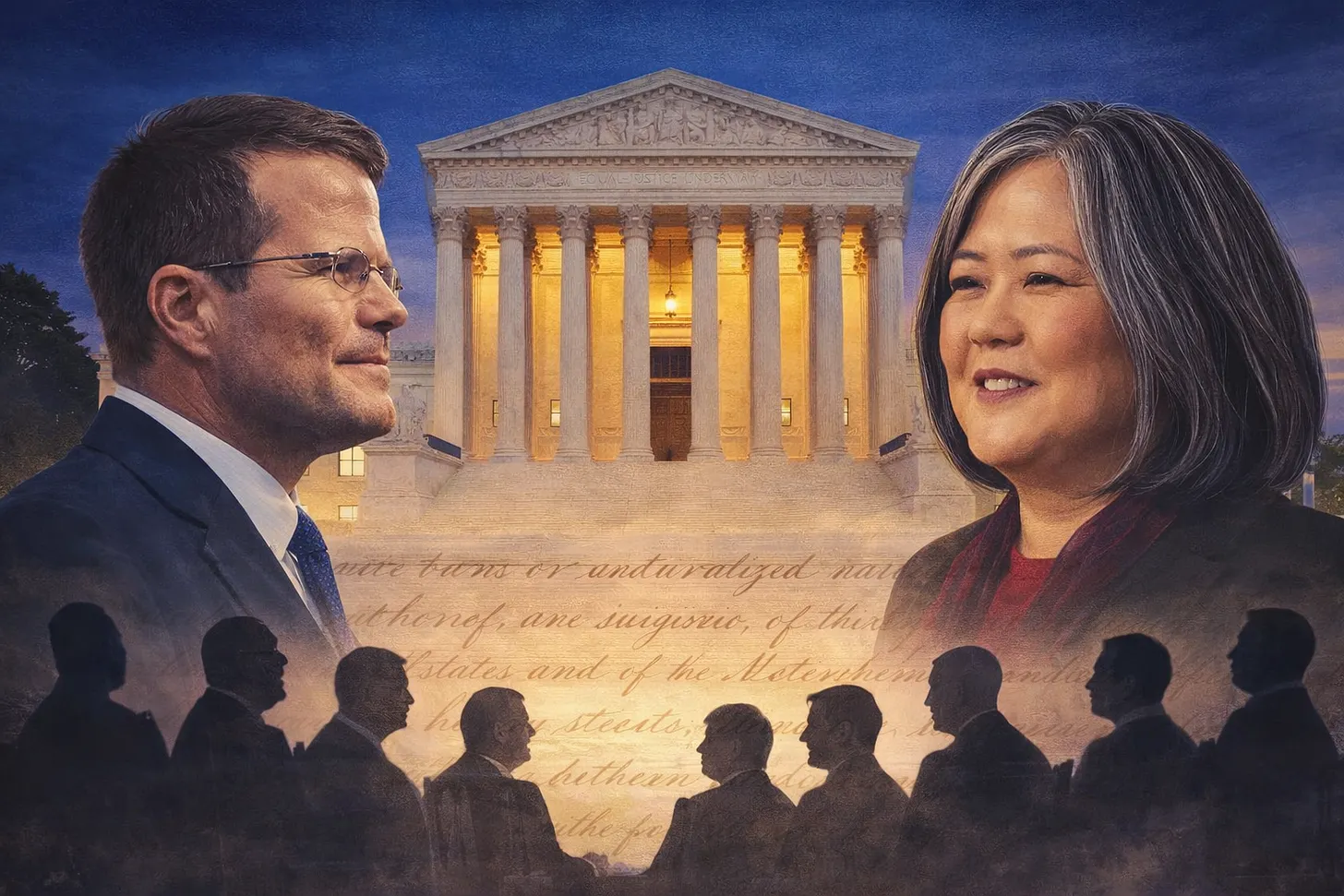
On April 1, the Supreme Court held oral arguments for the birthright citizenship-related case *Trump v. Barbara*. During the hearing, several justices raised sharp questions regarding the scope of executive power and constitutional interpretation, indicating significant legal controversy surrounding the issue. Analysts pointed out that the core of the case lies in how to interpret the "citizenship by birth" principle in the Fourteenth Amendment, and whether the executive branch has the authority to restrict it via executive order.
The case is currently under deliberation, and a final ruling has not yet been issued. Following standard practice, the Supreme Court typically releases major decisions around June each year; a ruling on this case is expected as early as late May, or more likely in June. If the executive order is ultimately upheld and takes effect, it will not only alter nationality determination rules for certain newborns but could also bring broad administrative impacts, including requiring the government to verify the legal status and residency of the newborns' parents, thereby increasing the overall administrative burden. The case is regarded as one of the most influential immigration law disputes in recent years, and its outcome could profoundly impact the U.S. immigration system.
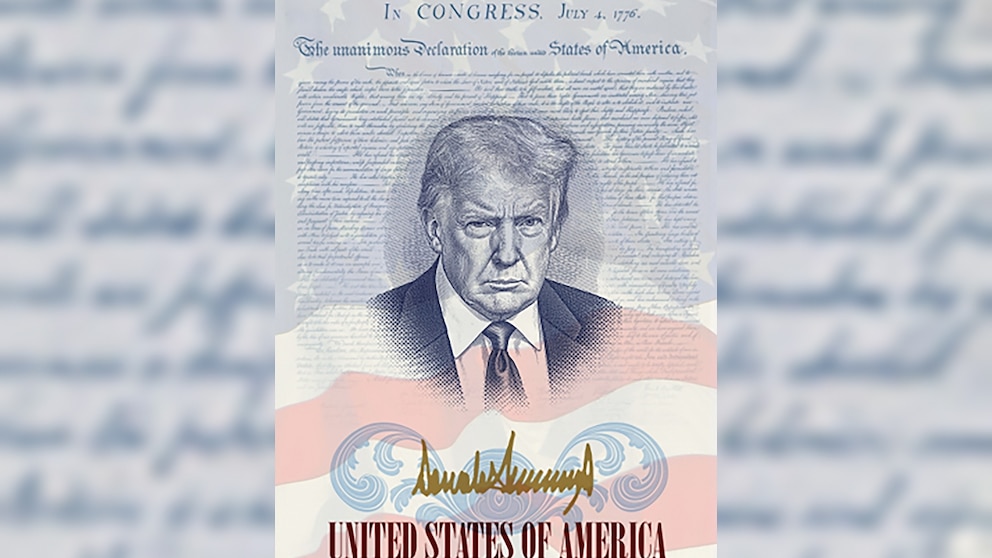
Trump on Passports? 250th Anniversary Commemorative Edition to Feature a Presidential Portrait for the First Time
The Department of State indicated it is preparing to introduce a batch of limited-edition commemorative passports to celebrate the 250th anniversary of the founding of the United States. A major feature of this commemorative version is the inclusion of a golden imprint featuring the portrait and signature style of current President Trump, marking the first time in U.S. passport history that the image of a living president has been incorporated into the design.
Approximately 25,000 to 30,000 copies are expected to be issued, with priority distribution to in-person applicants at the Washington, D.C. Passport Agency around the July 4th Independence Day holiday. Relevant departments noted that this version will serve as the default option for in-person applications in D.C., though applicants can still request the standard passport version online or through other regional offices. This move is part of a recent series of initiatives aimed at elevating the visual display of the President's personal image, which includes arrangements for presentations in public buildings, commemorative projects, and potential commemorative coins.
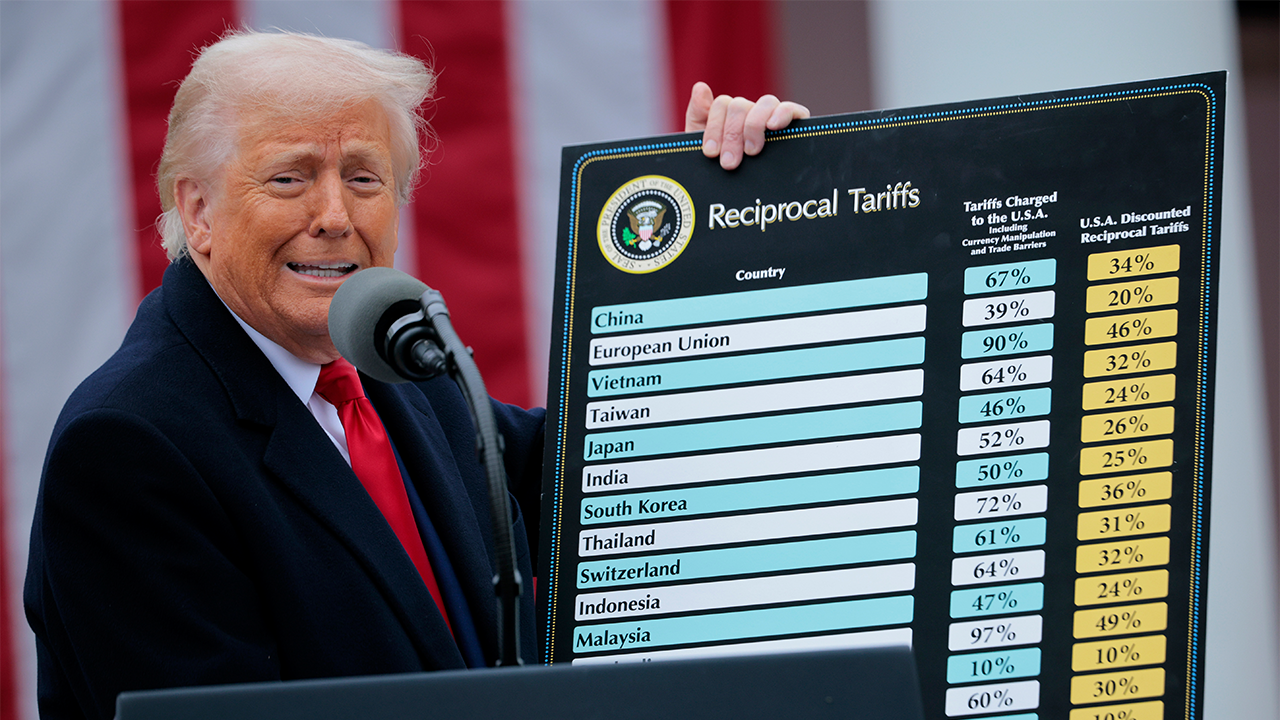
Supreme Court Rules Trump Tariffs Invalid! $160 Billion May Need to Be Refunded
In a 6-to-3 decision, the Supreme Court ruled that the Trump administration's imposition of sweeping tariffs under the International Emergency Economic Powers Act (IEEPA) exceeded its statutory authority. The justices noted that while IEEPA grants the president the power to regulate economic activity during a national emergency, it does not explicitly authorize the generation of fiscal revenue through tariffs.
The Court emphasized that under the U.S. Constitution, the power to tax belongs to Congress, and the executive branch cannot exercise similar powers without explicit authorization. This ruling directly invalidates several tariff measures, including the so-called "Liberation Day Tariffs" and certain punitive tariffs targeting specific nations, leaving the government facing the processing of approximately $160 billion in refunds.